


































Introduction: A World of Contrasts
The world of the 21st century lives under two very different demographic realities. In Tokyo, a city where the average citizen is over 47 years old, robot caregivers attend to the elderly in nursing homes. Meanwhile, in Lagos, Nigeria, bustling streets are filled with students and entrepreneurs, with half the population under 18.
This stark contrast is not an anomaly—it is the defining demographic feature of our age. Some nations grapple with declining birth rates and aging populations, while others surge with youthful energy. This essay explores these dual realities through a narrative lens, envisioning how they may shape our collective future.
Part I: The Story of Aging Nations
Scene 1: The Silent Classrooms of Europe
In parts of Italy and Germany, schools are closing—not from lack of funding but from lack of children. Entire rural towns shrink as younger generations migrate to cities or abroad.
- Economic Impact: Labor shortages push governments to raise retirement ages. Industries struggle to maintain productivity without young workers.
- Social Shifts: Aging societies prioritize healthcare, pensions, and eldercare infrastructure.
- Innovation Response: Countries invest in automation and robotics to compensate for declining labor forces.
Scene 2: Japan, the Future Mirror
Japan, often described as a laboratory of aging, already faces population decline. Technologies like robotic exoskeletons help elderly farmers work longer, while urban planners design “compact cities” to accommodate shrinking populations.
Lesson: Aging nations must innovate socially and technologically to sustain living standards in the face of demographic contraction.
Part II: The Story of Youthful Populations
Scene 1: The Vibrant Streets of Nairobi
In Kenya, classrooms overflow with students eager to join the digital economy. Start-ups rise rapidly, powered by youthful innovation and global connectivity.
- Economic Potential: A youthful population represents a demographic dividend—a chance to accelerate growth if jobs and education align.
- Risks: Without opportunities, youth bulges can fuel unemployment, migration, and social unrest.
Scene 2: India’s Workforce Surge
By the 2030s, India becomes the world’s most populous country, with a median age of just 28. Global companies look to India for skilled labor, while government reforms in education and technology training aim to prepare the workforce for future industries.
Lesson: Youthful nations must transform numbers into opportunities, or risk demographic advantage turning into instability.
Part III: Migration—The Bridge Between Worlds
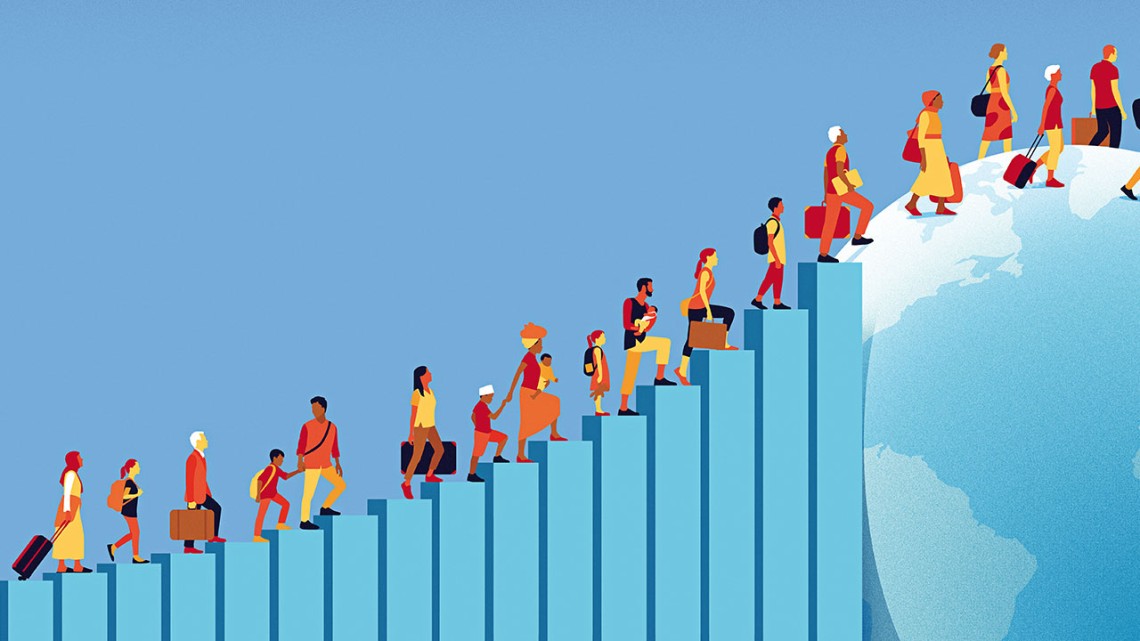
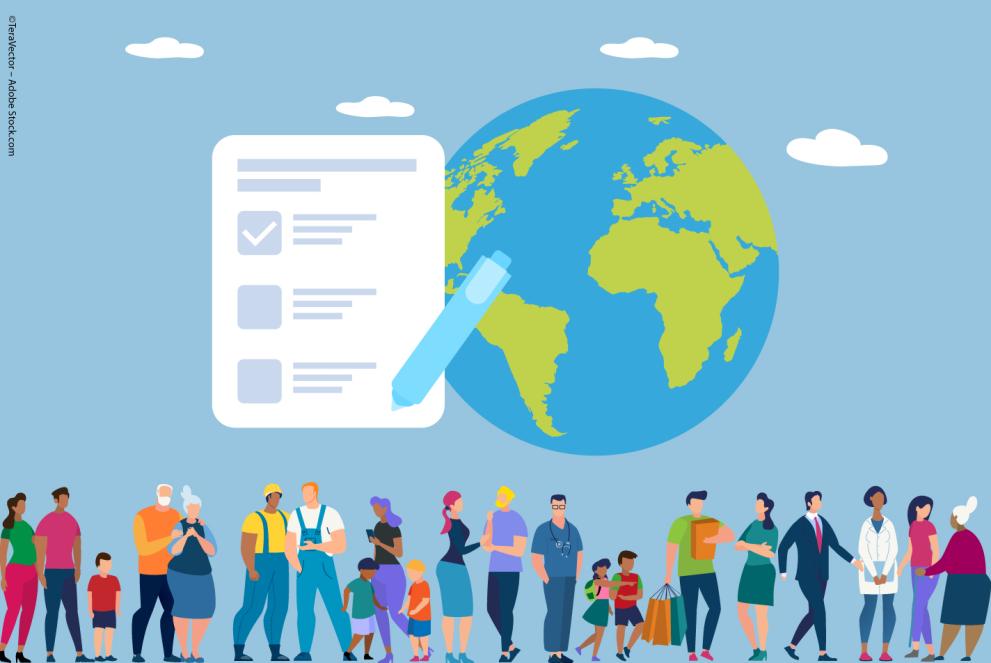
Migration links aging and youthful populations in a single global system.
- To Europe: Migrants from Africa and the Middle East fill labor shortages in healthcare and construction.
- To Asia: Southeast Asian workers support eldercare in Japan and South Korea.
- Debate: Migration sparks cultural tensions, nationalism, and policy challenges, but also prevents economic collapse in aging societies.
Scenario 2035: A coalition of nations develops a “Global Mobility Pact,” standardizing labor migration systems to balance demographic disparities.
Part IV: Future Scenarios of Demographic Change
Scenario 1: The Silver Economy (Aging World Dominates)
By 2050, technology has redefined aging. AI-driven health monitoring and bioengineering extend lifespans. Economies grow around silver industries—eldercare, healthcare robotics, and longevity science. Youthful countries still export labor but struggle with brain drain.
Scenario 2: The Youthquake (Youthful Nations Lead)
African and South Asian nations successfully convert demographic dividends into innovation booms. New global tech hubs emerge in Nairobi, Mumbai, and Dhaka. The balance of global power shifts southward.
Scenario 3: Demographic Convergence (Global Cooperation)
Through managed migration, education investment, and technological innovation, aging and youthful societies complement each other. Migration becomes normalized, and economies achieve balance.
Part V: Navigating the Challenges Ahead
- For Aging Nations:
- Invest in robotics, AI, and health technologies.
- Open immigration pathways to rejuvenate workforces.
- Promote active aging and lifelong learning.
- For Youthful Nations:
- Expand access to quality education and digital skills training.
- Build inclusive labor markets that absorb growing workforces.
- Strengthen governance to prevent youth unrest.
- For the Global System:
- Design fair migration policies.
- Encourage international collaboration in technology transfer.
- Build institutions that balance demographic disparities.
Conclusion: A Shared Human Journey
Demographic change is not destiny, but it is a powerful force shaping the 21st century. Aging nations and youthful societies represent two ends of a spectrum, each with challenges and opportunities. Their fates are intertwined—youth will migrate to aging countries, while technology and investment will flow back in return.
The question is whether the world views demographic shifts as a threat to be feared or as a shared journey to be managed. If we embrace cooperation, the interplay of aging and youthful populations can build a more balanced, resilient global future.