

































Introduction: Framing the Problem
The 21st century is defined by paradox. Humanity has reached unprecedented levels of technological sophistication and economic growth, yet these achievements are shadowed by climate change, biodiversity loss, water scarcity, and widening inequality. If the 20th century was built on the back of fossil fuels and resource extraction, the 21st century must be defined by sustainable development technologies—tools that allow growth without destruction.
This essay takes a problem–solution approach: identifying global challenges and demonstrating how specific sustainable technologies provide responses. Through this structure, the analysis highlights the role of innovation not as an optional supplement, but as a necessity for survival and resilience.
Problem 1: Climate Change and Greenhouse Gas Emissions
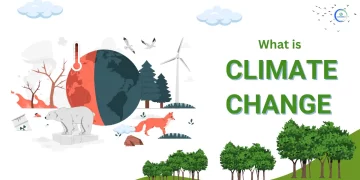
The rise in global average temperatures threatens coastal cities, agricultural systems, and human health. Carbon dioxide and methane remain the primary drivers of global warming, with traditional energy systems at the core of the crisis.
Solution: Renewable Energy and Smart Grids
- Solar and Wind Power: Solar photovoltaic cells and offshore wind farms reduce dependency on fossil fuels. Innovations in perovskite solar cells promise higher efficiency and lower costs.
- Smart Grids: These digital systems balance energy supply and demand, integrating intermittent renewable sources into reliable electricity distribution.
- Case Example: Denmark has pioneered wind energy, generating over 40% of its electricity from wind, showcasing how national policy and technology can align.
Problem 2: Resource Depletion and Waste
The global economy consumes resources at unsustainable rates, leading to deforestation, water scarcity, and mounting waste. The “take–make–dispose” industrial model is a driver of ecological overshoot.
Solution: Circular Economy and Recycling Technologies
- Closed-Loop Manufacturing: Companies use materials that can be fully recycled or repurposed.
- E-Waste Recycling: Advanced robotics and chemical separation extract rare earth metals from discarded electronics.
- Case Example: The Ellen MacArthur Foundation collaborates with corporations like IKEA and Unilever to implement circular economy practices, reducing waste while maintaining profitability.
Problem 3: Food Security and Agricultural Sustainability
Feeding a growing global population without further deforestation or soil degradation remains one of the century’s most pressing challenges.
Solution: Precision Agriculture and Alternative Proteins
- Precision Agriculture: Drones, IoT sensors, and AI systems monitor soil health, water use, and crop growth, enabling farmers to optimize inputs and minimize waste.
- Alternative Proteins: Plant-based and lab-grown meats reduce dependence on resource-intensive livestock farming.
- Case Example: Singapore became the first country to approve the sale of lab-grown meat in 2020, signaling a shift toward mainstream acceptance.

Problem 4: Urbanization and Pollution
Cities consume over two-thirds of global energy and generate over 70% of CO₂ emissions. Rapid urban growth exacerbates air pollution, traffic congestion, and infrastructure strain.
Solution: Green Architecture and Sustainable Mobility
- Green Buildings: Innovations such as passive solar design, energy-efficient insulation, and vertical gardens reduce energy use.
- Electric and Autonomous Vehicles: EV adoption cuts emissions, while autonomous fleets promise efficiency gains.
- Case Example: Oslo aims to become the first fully electric city capital by 2025, demonstrating urban leadership in sustainability.
Problem 5: Inequality and Energy Access
Over 700 million people worldwide lack reliable access to electricity, locking them out of education, healthcare, and economic opportunity.
Solution: Decentralized Renewable Energy Systems
- Mini-Grids and Solar Home Systems: Affordable solar panels paired with battery storage bring electricity to rural and off-grid communities.
- Pay-as-You-Go Models: Mobile payment systems enable low-income households to access energy without upfront costs.
- Case Example: Companies like M-KOPA in East Africa have provided solar kits to millions of households, demonstrating scalable social innovation.
Problem 6: Governance and Implementation Gaps
Even with promising technologies, adoption is uneven due to policy barriers, lack of financing, and geopolitical tensions.
Solution: Policy Innovation and Global Cooperation
- Carbon Pricing: Mechanisms such as carbon taxes and cap-and-trade incentivize the adoption of green technologies.
- Green Finance: Sustainable bonds and ESG (Environmental, Social, Governance) investing channel capital toward sustainable technologies.
- International Frameworks: Agreements like the Paris Accord create a shared roadmap, though enforcement remains a challenge.
Synthesis: Connecting the Dots
Sustainable technologies are not isolated solutions; they are interdependent. Smart grids support renewable energy, which powers electric vehicles; precision agriculture reduces emissions while preserving ecosystems; circular economy principles reduce waste while conserving rare materials for renewable technologies. The future requires integrated systems thinking, where solutions reinforce one another in a web of sustainable development.
Conclusion: From Innovation to Transformation
Sustainable development technologies are humanity’s best bet for balancing growth with ecological preservation. They are not silver bullets, but they represent scalable, innovative responses to existential crises.
The transition to sustainability demands more than technical breakthroughs—it requires political will, cultural change, and global solidarity. If these conditions align, green innovations can drive not just development, but survival, ensuring that the future of global progress does not come at the expense of the planet.